Canine Behavior Assessment
You've raised your voice, ignored it, handed out treats, watched the YouTube videos, tried what your neighbor swore by. It gets better for a few days, then it's back. This isn't about love or effort. Nobody has ever mapped what's keeping the behavior alive.
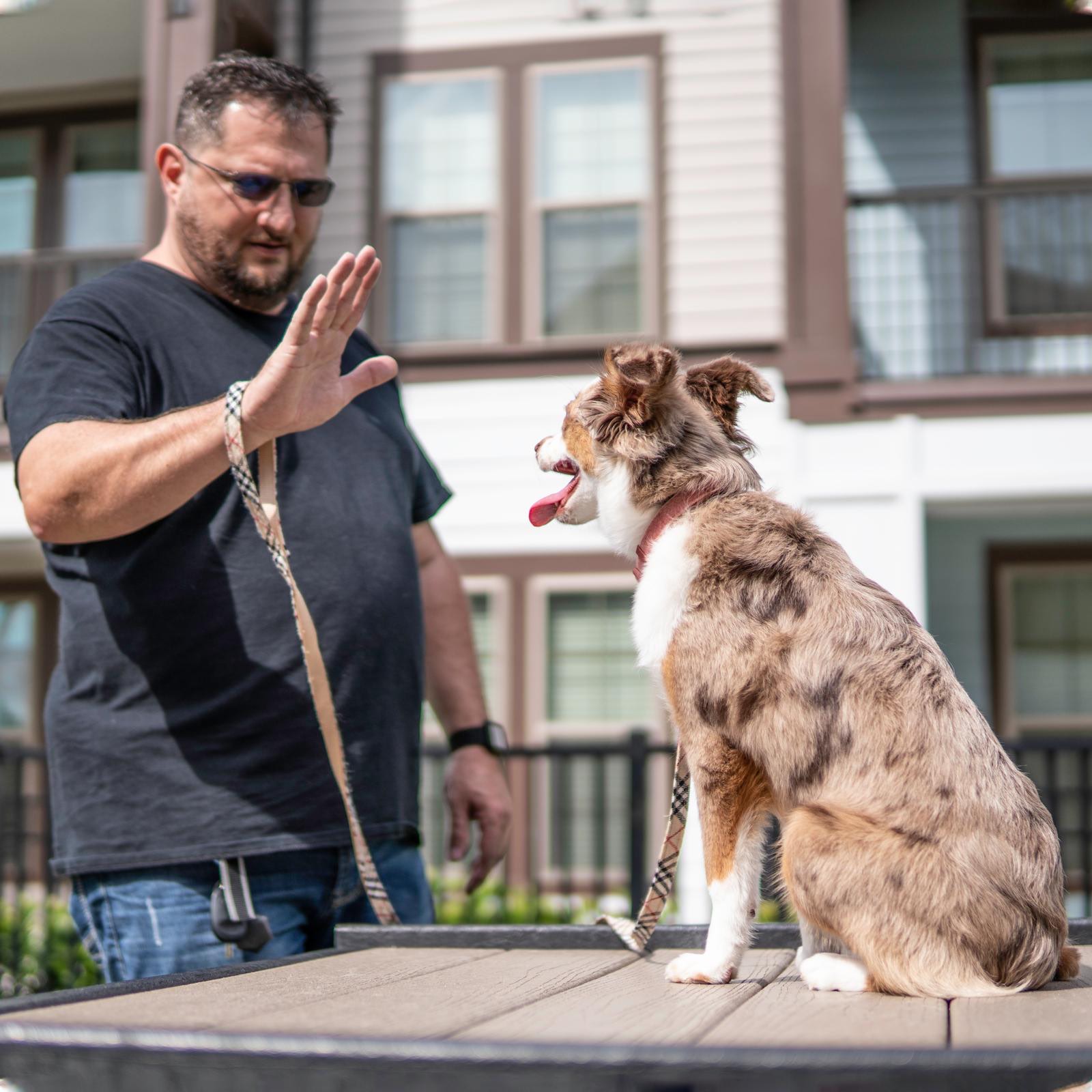
If any of this is you
It started small. Now it shapes how you live in your own home.
If you checked off two or more while reading, this isn't a difficult dog. It's a pattern nobody has read end to end.
What nobody tells you
Behavior doesn't sit still. Every uncorrected repetition teaches your dog that it works, and what's annoying today becomes rooted later.
The question isn't whether it can be fixed. It's how much longer you'll live with it.
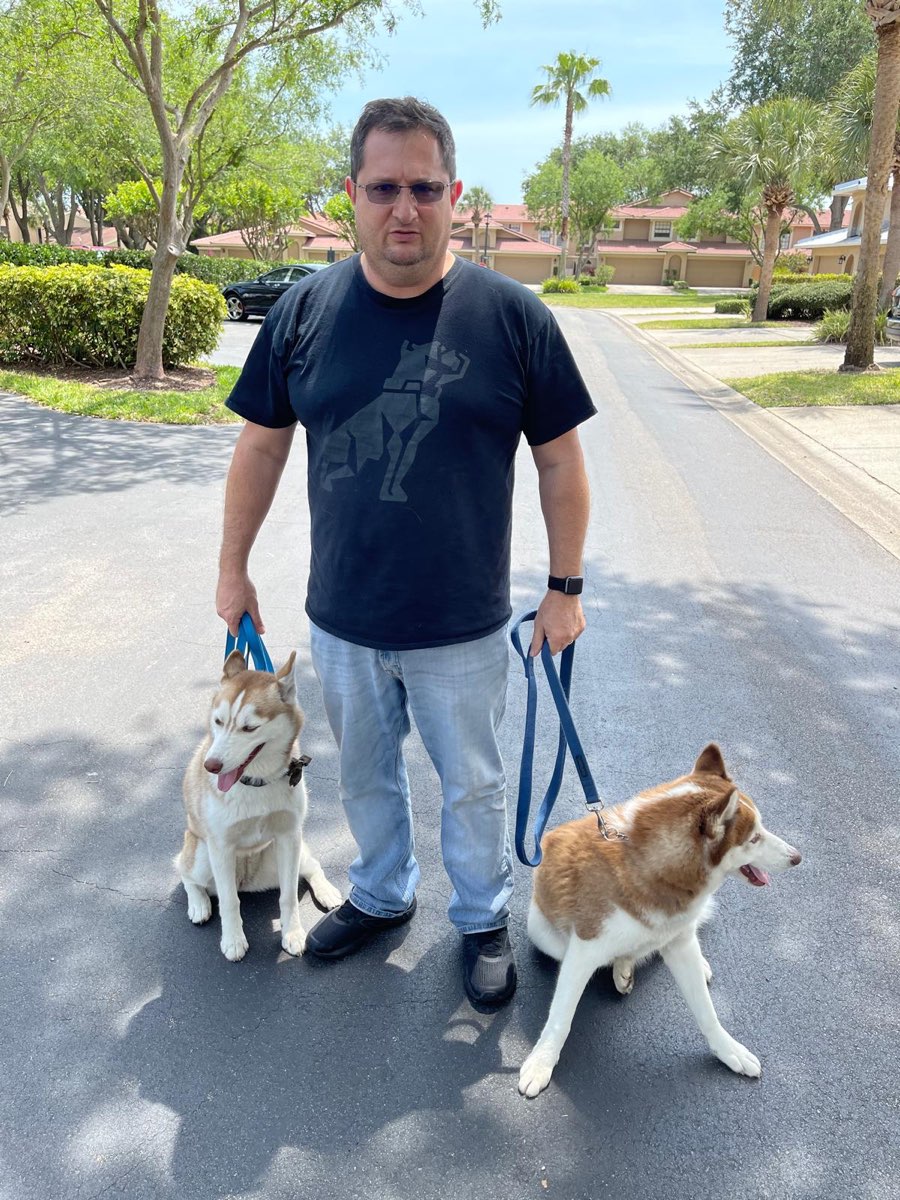
Why the form
Your dog doesn't wake up planning to annoy you. He repeats what has worked for him. Until someone sees what's holding it up, you'll keep putting out one fire at a time, forever.
Five different problems, five different battles. You fix one, another shows up. It wears you out and never ends.
In most cases it isn't five problems. It's one, showing up five ways. Solve it at the root and they give way together.
I don't live with him. You do. Routine, age, how long he's alone, when it started, what you've already tried. That information exists nowhere but with you.
Your dog's map and the right next step. You stop guessing in the dark and know exactly where to start.
Ten minutes, no cost. It's the same form I use with every client before recommending any program, because I don't recommend training before reading the case.
How it works
No generic advice. The assessment is built on what you tell me about your dog.
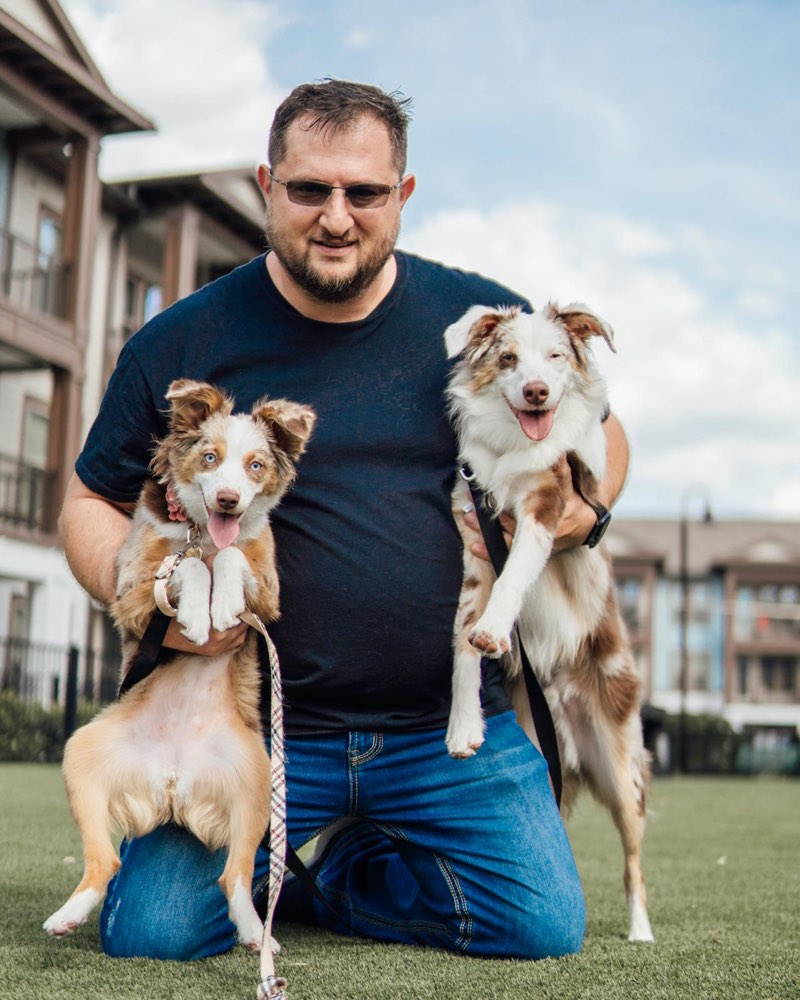
A form about routine, habits and what bothers you. Every answer is a piece of the map. Ten minutes, all on your phone.
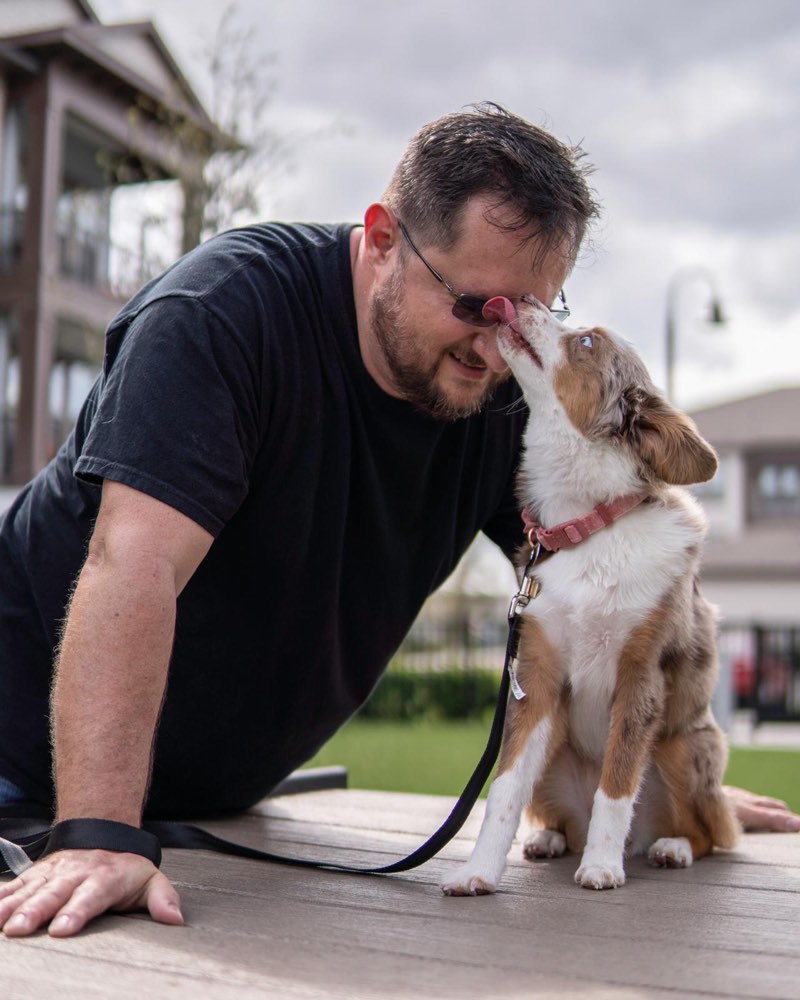
I cross-reference your answers and build the map: which patterns show up, what connects them and what's holding each one up.
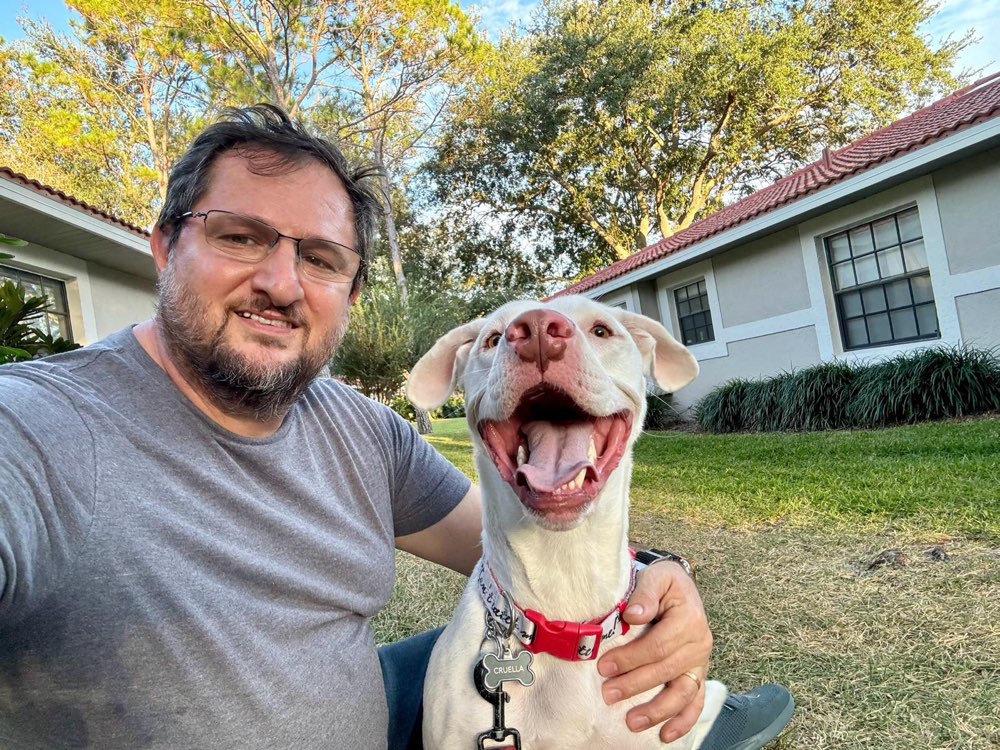
I send the finished map to your WhatsApp, with the recommended next step for your case. You read it on your own time and decide.
Who I work with
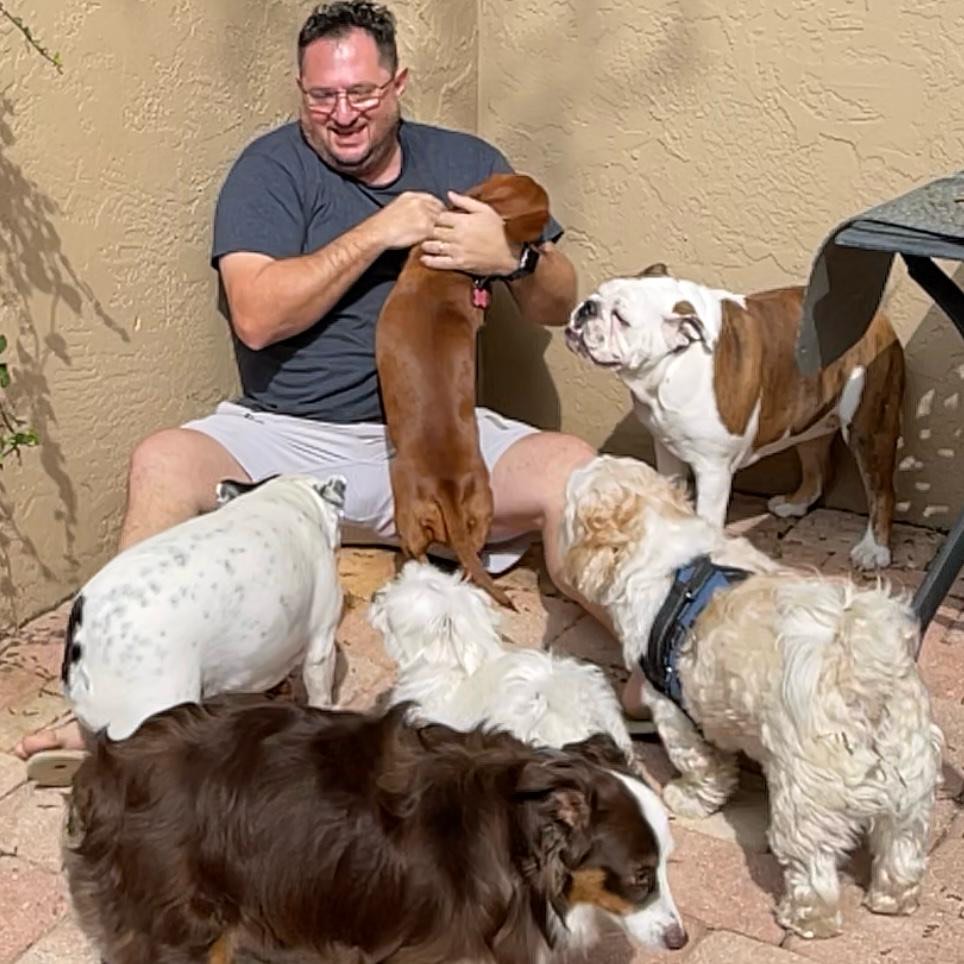
From a two-month-old puppy to an adult with years of habit. From a nine-pound Maltese to a ninety-pound shepherd. Breed changes the size of the challenge, not the method.
Clear communication, structure and consistency. That's what makes a dog understand what's expected of him, whatever the pedigree.
What you get
The document is written for your case, with your dog's name in every section.
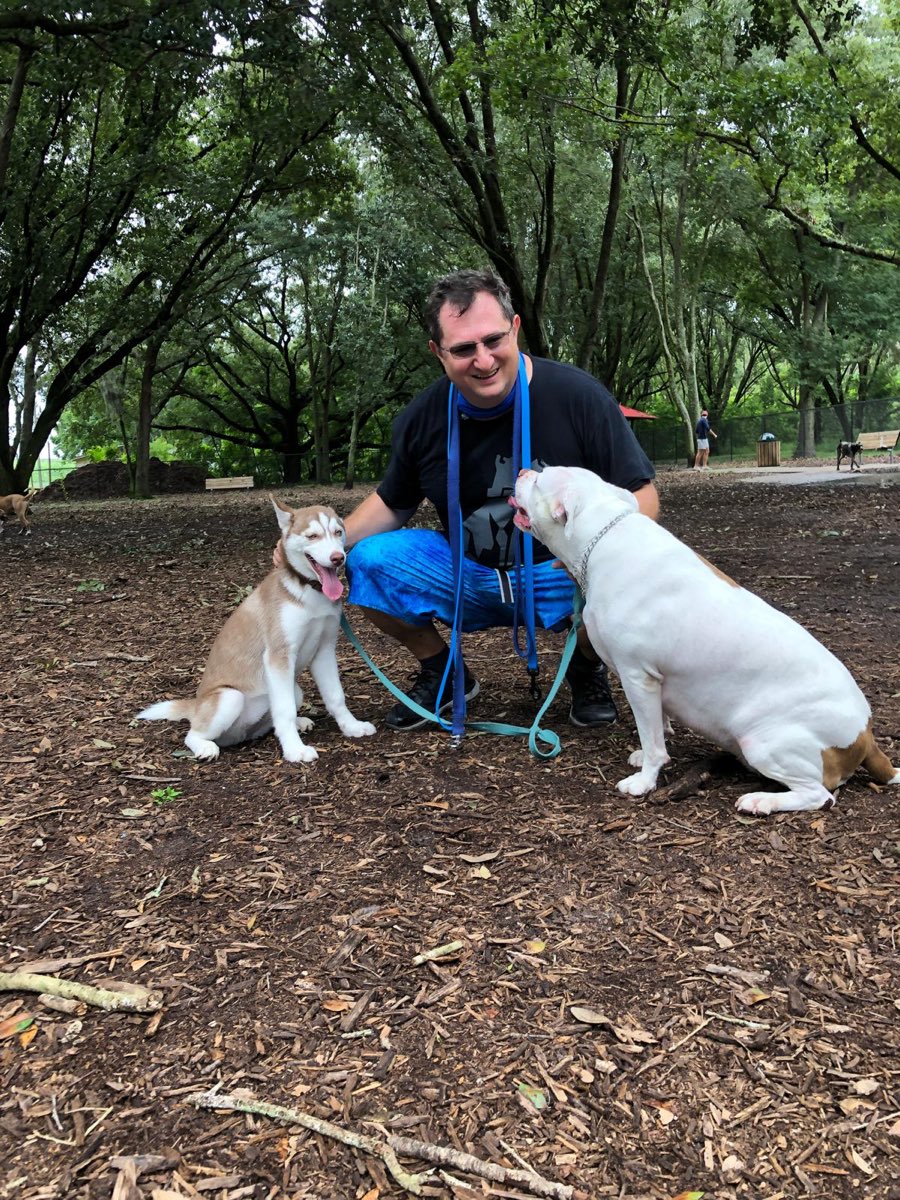 Two different dogs, holding a sit, in the middle of the park, with people walking by.
After the assessment
Discipline creates freedom. Leadership creates trust. Training gives you the tools. Repetition turns those tools into habits. The assessment is the starting point that tells you exactly where to begin.
Group classes
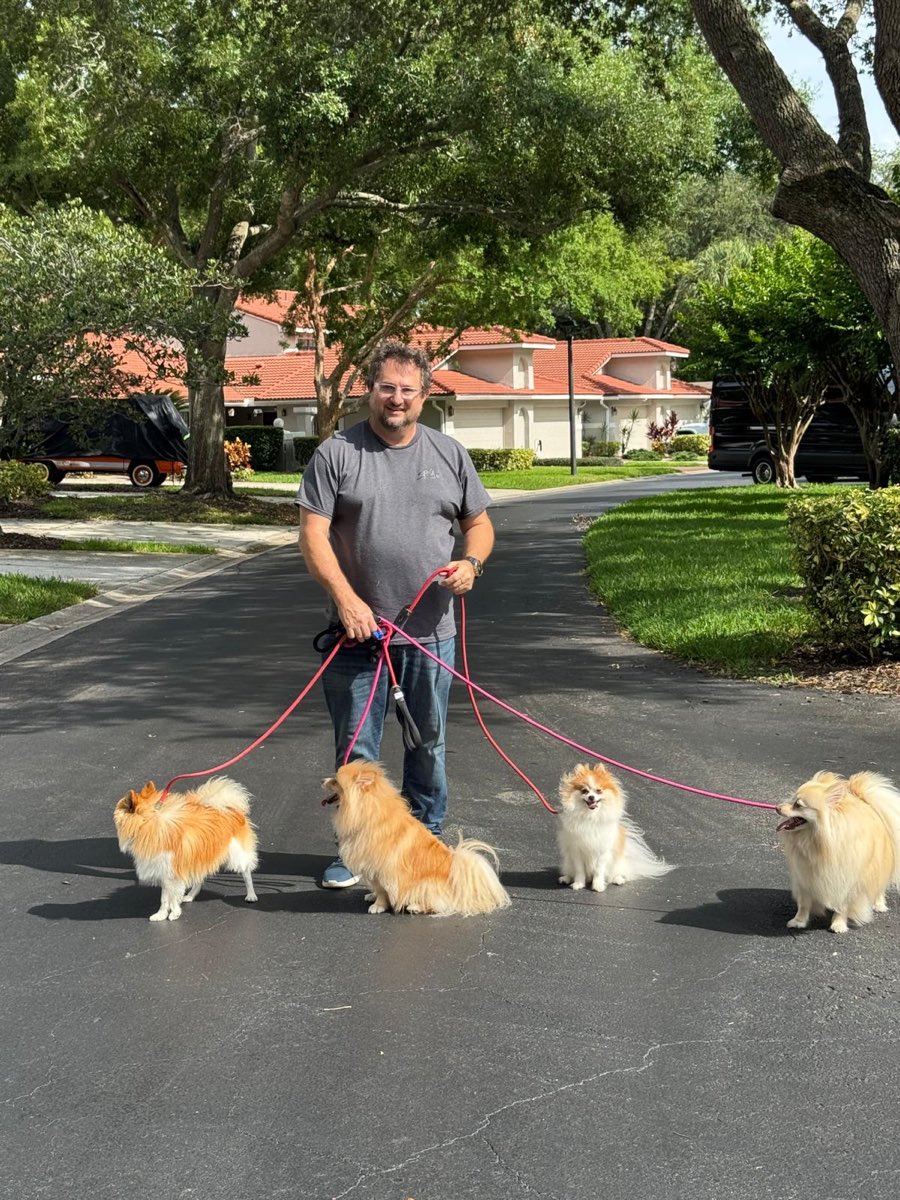
After the three days, you keep coming to group classes, as many as you want, at no extra cost. That's where your dog learns to respond in real distraction: other dogs, other people, a different environment.
It's also where you train your part. A good command is one that works outside the house.
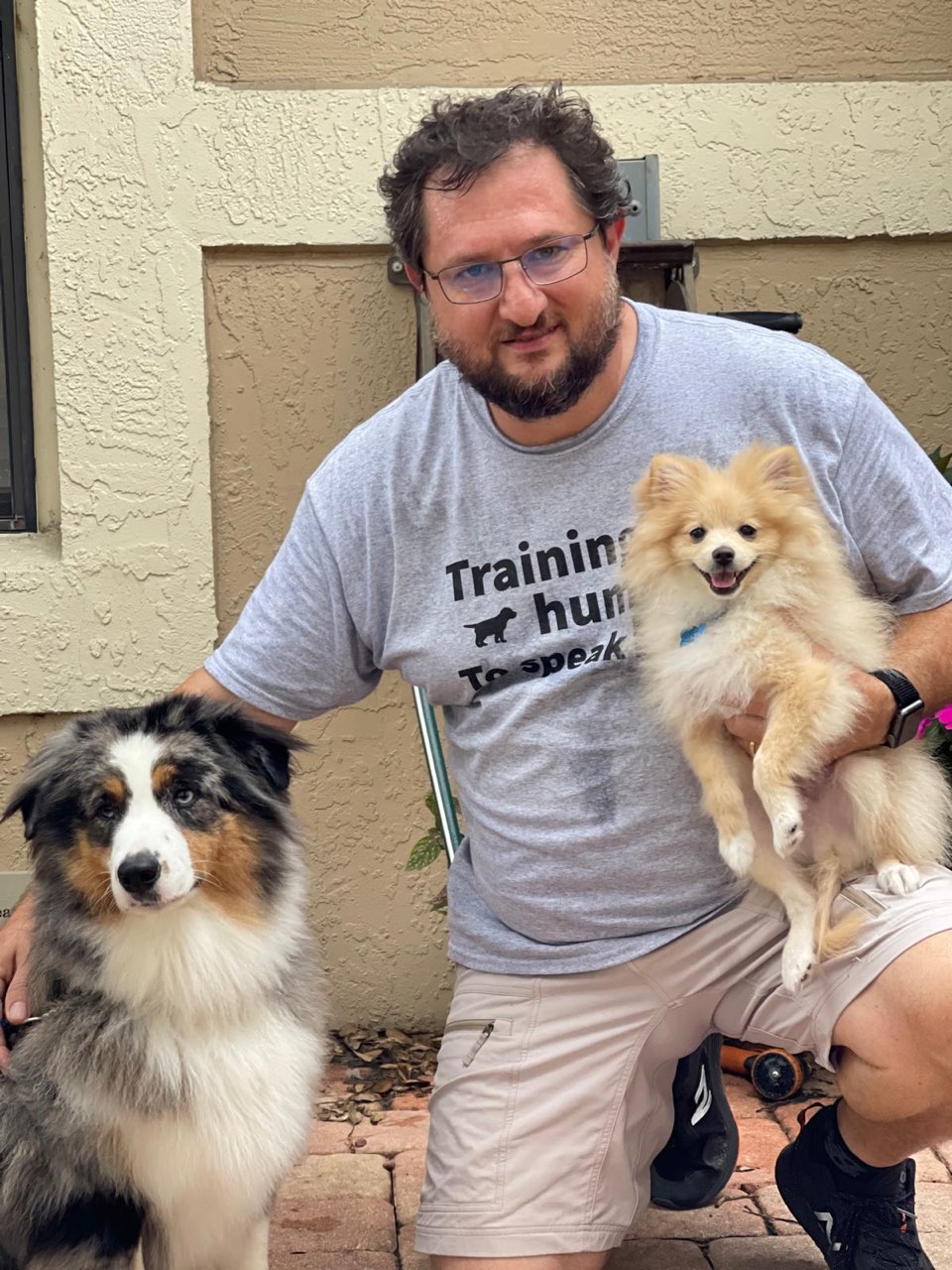
Who will read your case
Dog trainer in Orlando, Florida. He works with dogs of every age and breed, from the puppy still forming habits to the adult already carrying old patterns.
His read starts from a simple principle: the dog isn't acting out of malice or stubbornness. He does it because he learned it works. Changing that is a matter of communication and structure, not force.
Decide today
Ten minutes of a form against another year of yelling, shutting him in a bedroom and apologizing. The assessment is free and you decide what to do after you read it.